Style is not just about following fashion shows or refreshing your wardrobe every season. Staying stylish all year round is based on a fundamental logic: choosing durable pieces, mastering color combinations, and adapting outfits to the real constraints of each period. Current fashion trends confirm this shift towards versatility, accelerated by an economic context that encourages buying less, but better.
Durability of clothing and European regulation ESPR: what changes for style
The European regulation ESPR (Ecodesign for Sustainable Products Regulation, EU 2024/1781), which came into effect on July 18, 2024, places textiles among the priority categories. The requirements focus on minimum durability, reparability, mandatory recycled content, and the restriction of certain chemical substances.
A future digital product passport will accompany clothing to make their environmental footprint transparent. Collections in the upcoming seasons will therefore be less disposable by design.
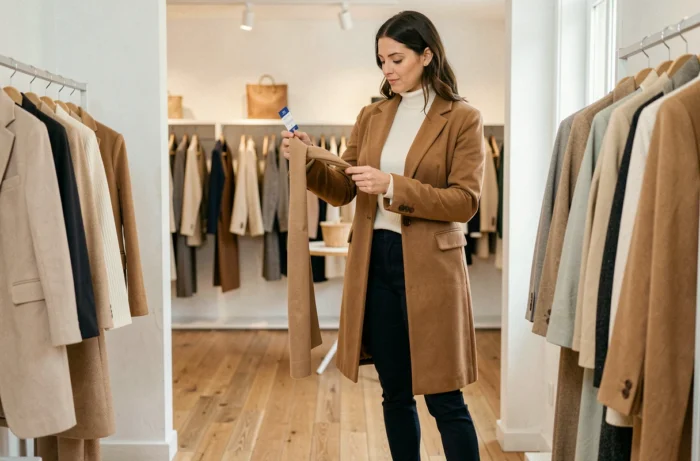
For those looking to stay stylish all year round, this evolution has a direct consequence: well-constructed pieces become the norm, not the exception. Investing in well-finished trousers or a jacket with seams that withstand several autumns is no longer a militant choice; it is simply what the market will increasingly offer. It is also possible to find fashion information on Moderne Mode to spot pieces that align with this approach.
Colors and materials by season: building a coherent wardrobe

The concept of a seasonal palette structures an effective wardrobe. Rather than accumulating isolated pieces, the principle is to define a base of neutral colors (navy, beige, heather gray, off-white) and then add two or three seasonal shades.
In autumn and winter, earthy tones, burgundy, and forest green work well with most skin tones. In spring and summer, brighter colors (butter yellow, lavender blue, light terracotta) provide contrast without disrupting the silhouette.
Materials to prioritize by season
- Autumn-winter: merino wool for sweaters, brushed cotton for shirts, thick denim for jeans. These materials maintain their shape after numerous washes and pair well with layering.
- Spring-summer: linen for shirts and lightweight trousers, jersey cotton for t-shirts, poplin for dresses. Linen wrinkles, but that is precisely what gives it character in a summer look.
- Mid-season: cotton-wool blends or lightweight technical fabrics (like thin softshell) help manage temperature fluctuations without adding layers.
A garment in the right material at the right time does more for style than a trendy piece worn out of context. Jeans remain a special case: worn year-round, they change roles depending on the cut and weight of the chosen fabric.
Versatile pieces: the foundation of a stylish look twelve months a year
The Worldpanel by Numerator study from August 2026 on the fashion market in France confirms a shift in purchasing behavior. The priority is on pieces that can be worn all year round, resale and second-hand shopping are increasing, and the perceived durability of a garment weighs more than novelty.
This observation renders the approach of reasoning solely by “new seasonal collections” obsolete. Some pieces transcend seasons without losing their stylistic relevance.
The fundamentals of a permanent wardrobe
A well-cut high-waisted pant, in cold wool for winter or structured cotton for summer, effectively replaces three mediocre trousers. Paired with an oversized shirt in autumn or a simple t-shirt in summer, it creates radically different looks effortlessly.
The denim jacket, worn open over a long dress in spring or under a coat in winter, remains one of the most cost-effective pieces in a wardrobe. Its ability to break up an overly formal look or structure a casual outfit makes it a true styling tool.
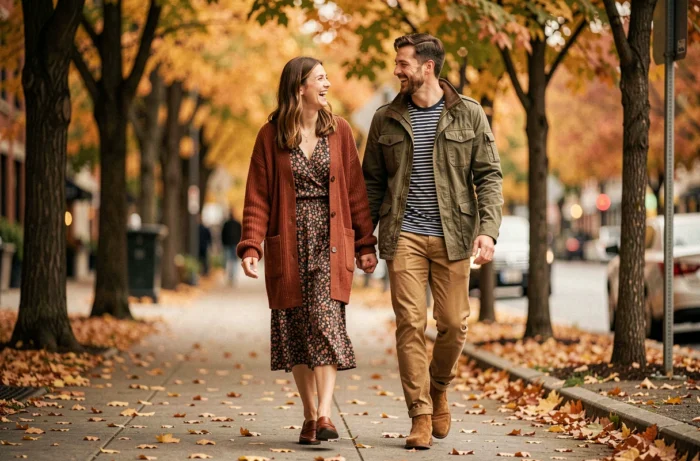
The fine round-neck sweater, in tight knit, works just as well under a blazer during the week as it does on its own during the weekend. This is typically the kind of piece that trend guides overlook because it is not spectacular, but it carries the majority of everyday outfits.
Adapting your style to trends without succumbing to fleeting fashions
Fashion trends serve as a compass, not a rigid roadmap. The autumn-winter season highlights textured layering, soft volumes in tailoring, and bold accessories (hats, structured bags). Integrating one or two of these trends into an already solid wardrobe is enough to refresh a look.
Adopting one trend per season keeps the style fresh without destabilizing the wardrobe. If the barrel cut of jeans dominates a season, testing just one model allows you to engage with it without replacing your entire collection of bottoms.
The most common mistakes come from the opposite excess: rejecting all trends and wearing the same silhouettes for years creates a dated effect. The right frequency lies between the two, with a targeted renewal of two or three pieces per season, chosen for their compatibility with what already exists.
Tips that really work over time
- Before buying a trendy piece, check that it pairs with at least three garments already present in your wardrobe. If it doesn’t, it will remain at the back of the closet by the next season.
- Favor cuts that suit your body shape rather than the current trends. A flattering pant worn with confidence will always look better than a trendy cut that is poorly fitted.
- Invest in accessories (leather belt, good shoes, wool scarf) rather than main pieces. Accessories change the perception of an entire outfit for a fraction of the budget.
Year-round style does not rely on an unlimited budget or constant fashion monitoring. It is based on understanding materials, the coherence of colors, and the ability to occasionally integrate a new piece into a wardrobe designed to last. The European regulatory changes and shifts in purchasing behavior in France align with this: durable and well-chosen clothing becomes the basic unit of style, season after season.