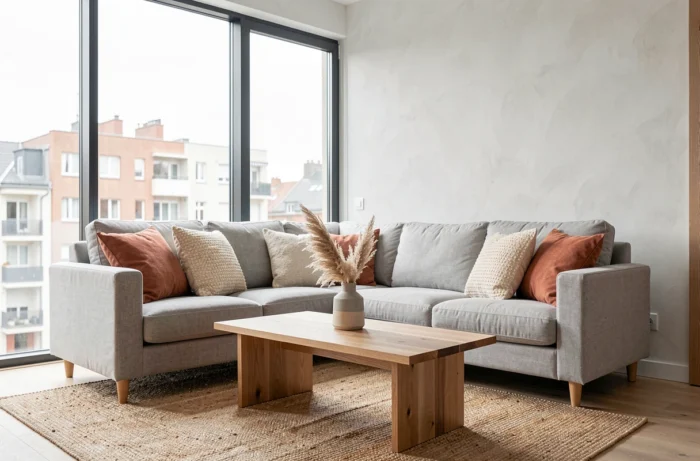
Measuring the comfort of a modern home in 2024 goes beyond just choosing a color palette or trendy flooring. Data from energy performance diagnostics reveal a gap between the image of a well-kept interior and its actual ability to maintain pleasant living conditions year-round. What objective criteria today separate a truly comfortable home from one that is simply well-decorated?
Summer Comfort in French Housing: DPE Data
The 2026 summer comfort barometer, based on the analysis of 11.2 million DPEs, presents a clear finding. Only 16.6% of homes are rated with “good” summer comfort, while 40.2% show an “insufficient” level and 43.2% a “medium” level.
These figures mean that the vast majority of the housing stock remains unsuitable for prolonged heat episodes. The RE2020 now incorporates summer comfort into its requirements for new constructions, but existing homes do not benefit from the same binding framework.
| Summer Comfort Rating (DPE) | Share of Homes |
|---|---|
| Good | 16.6% |
| Medium | 43.2% |
| Insufficient | 40.2% |
The decree of March 31, 2021, mandates an evaluation of passive thermal comfort in summer at three levels in the DPE. However, this rating neither prohibits renting nor calls into question the decency of the housing. An apartment rated “insufficient” in summer comfort can therefore remain on the rental market without any obligation for renovations.
To follow News Quirk’s home information on these regulatory topics, regular monitoring remains the best reflex.
Natural Materials and Passive Insulation: What the Decor Trend Doesn’t Mention
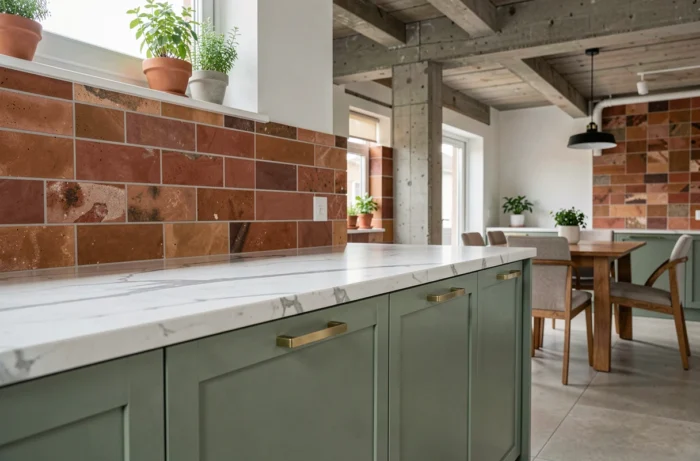
2024 decoration articles highlight raw wood, stone, and linen as key materials. These aesthetic choices intersect with thermal reality, but only partially.
Solid wood has moderate thermal inertia. It regulates indoor humidity and contributes to a higher perceived comfort in winter. However, in the face of summer heat peaks, its thermal absorption capacity remains limited compared to heavy materials like stone or solid brick.
- Natural stone (travertine, sandstone, slate) stores nighttime coolness and releases it during the day, lowering the perceived temperature by several degrees without active air conditioning.
- Linen and natural textiles offer superior breathability compared to synthetic fibers, reducing the feeling of stuffiness in living spaces and bedrooms.
- Lime or raw earth-based plasters act as passive hygrometric regulators, absorbing excess humidity in summer and releasing it in winter.
Choosing these materials solely for their visual appeal means overlooking their technical function. A 30 cm stone wall does not just decorate; it regulates. Integrating this logic from the design or renovation stage changes the hierarchy of layout decisions.
Multipurpose Spaces and Thermal Performance: Balancing Openness and Partitioning
Open space remains a strong trend in interior design. Open kitchens to living rooms, mezzanines, and decompartmentalized living areas dominate layout projects. This choice has a thermal cost rarely quantified in decoration magazines.
A large open volume with high ceilings is more difficult to heat in winter and cool in summer. Warm air rises and stagnates in the attic, while natural ventilation loses effectiveness without partitions to create cross currents.
The best-rated homes for summer comfort combine modular spaces and partial partitioning. Sliding doors, heavy thermal curtains, or internal glass walls allow a space to be closed during the day to maintain coolness, then opened in the evening for socializing.
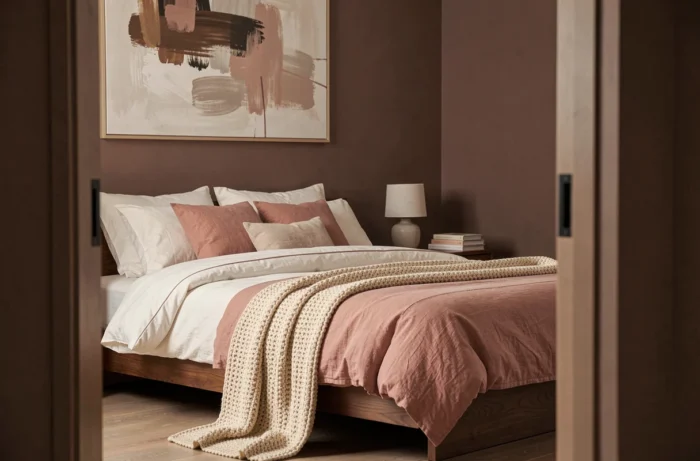
This approach reconciles two requirements that design tends to oppose. Visual minimalism does not imply the absence of physical separations. It suggests discreet, movable separations that contribute to thermal regulation without cluttering the view.
Natural Ventilation and Window Orientation
The position of windows determines summer comfort more than an air conditioning system. A modern home oriented with openings to the north and east captures light without overheating. South-facing bay windows, highly sought after for their brightness, require external solar protections (sunshades, pergolas, adjustable slats shutters) to remain compatible with a good summer comfort rating in the DPE.
Colors and Coatings 2024: Impact on Indoor Temperature
Terracotta, soft brown, and sage green dominate the 2024 palettes. Beyond the visual ambiance, the color of interior surfaces alters the thermal perception of a room.
Light tones reflect more light and give a sense of coolness. Dark shades absorb radiant heat and increase the surface temperature of walls. In a room facing southwest, a dark terracotta wall can measurably exacerbate summer discomfort.
The choice of wall color should take into account the orientation of the room and its summer comfort rating. A warm shade works well on a north wall, where it compensates for low light. On a west-facing wall receiving late afternoon sun, a lighter shade limits heat accumulation.
Floor coverings follow the same logic. A ceramic or stone tile floor stays cool to the touch, while a dark solid oak floor heats up more quickly. These technical details are not included in any decor guide, but they separate a trendy interior from one that is truly comfortable year-round.
The modern home of 2024 is not just about style choice. DPE data shows that four out of five homes do not achieve good summer comfort. Materials, partitioning, window orientation, and colors form a system. Treating each element separately means decorating without building comfort.