
Two driving experience packages display the same number of laps, on the same circuit, with comparable cars. The price differs by several dozen euros. What justifies this gap? Three parameters rarely displayed on booking pages explain most of the difference: actual driving time, the instructor-to-student ratio, and additional fees. Comparing these variables before choosing a driving experience changes the very nature of the circuit experience.
Actual track time and number of laps: what the packages measure differently
A “lap” does not have a fixed duration. On a short track, three laps may represent barely a few minutes behind the wheel. On a long circuit, the same number of laps doubles the driving time. Actual driving time is the only reliable indicator for comparing two offers.
Some packages include the briefing, getting into the car, and the reconnaissance lap in the displayed count. Others clearly separate instruction time from pure driving time. This distinction is significant when looking to improve or simply enjoy driving a Porsche, Ferrari, or single-seater.
| Criteria | “Laps” Package | “Track Time” Package |
|---|---|---|
| Displayed unit | Number of laps (e.g. 3, 5, 10) | Minutes of driving (e.g. 15, 20, 30 min) |
| Briefing included in the count | Sometimes yes | Generally excluded |
| Comparability between circuits | Low (depends on track length) | Direct |
| Clarity for the customer | Simple in appearance | More transparent |
Before finalizing a choice, asking for the actual driving time in minutes allows for aligning the packages on a comparable basis. This reflex helps avoid frequent disappointments after a session where one spent more time waiting than driving.
For those who want to delve into the selection parameters, a complete subscription and support on vitesseetliberte.fr details the variables to check according to the circuits and vehicles offered.
Instructor-to-student ratio on the circuit: a gap that modifies learning
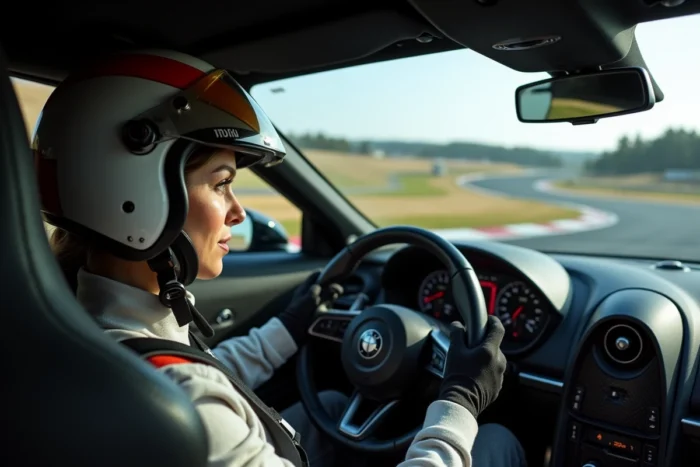
The number of students supervised by the same instructor affects the quality of coaching received. When an instructor follows a single driver, feedback is immediate, tailored to each cornering. When the same instructor manages several students in rotation, the time for individual debriefing is mechanically reduced.
Individualized coaching transforms a simple lap around the circuit into technical progression. Premium packages partially charge for this density of support, not just the prestige of the car.
Organizers do not always communicate this ratio on their booking page. Asking the question by phone or email before booking remains the most direct way to assess what the package actually offers. However, on weekdays or outside school holidays, groups are naturally smaller, which improves the ratio without extra cost.
Seasonality and group size
The booking period acts as a concrete lever on the quality of the experience. Weekday sessions attract fewer participants. The waiting time between each run decreases, and the instructor has more minutes per student.
Booking on weekdays or outside peak periods reduces group size and improves driving conditions. The circuits are also less crowded, allowing more room to work on racing lines.
Hidden costs of a driving experience: excess, options, and supplements
The displayed price of a driving package does not always reflect the actual cost of the experience. Several items can be added to the base rate:
- The excess in case of damage: it varies significantly from one provider to another and can represent a substantial amount. Some organizers offer excess buyback, charged additionally
- Booking or administrative management fees, sometimes added at the time of online payment
- Weekend supplements, applied to the most in-demand slots, which increase the face value of the package
- Photo, onboard video, or additional lap options, offered on-site on the day of the experience
Comparing offers solely based on the base price amounts to comparing incomplete packages. The overall budget, including excess and options, provides an accurate picture of the value for money.
Multi-car packages: compare sensations rather than choosing just one
Some packages allow you to drive multiple vehicles during the same session. This format is not only meant to multiply sensations. Switching from a GT to a single-seater reveals very different dynamic behaviors: weight, seating height, grip, braking. The contrast between a Porsche and a Formula 4, for example, makes each run more instructive.
For a first experience, testing two cars with opposing characteristics helps identify what is truly enjoyable. A GT offers accessible driving, with references close to everyday driving. A single-seater imposes a laid-back position, more pronounced aerodynamic support, and a more intense physical effort in direction changes.
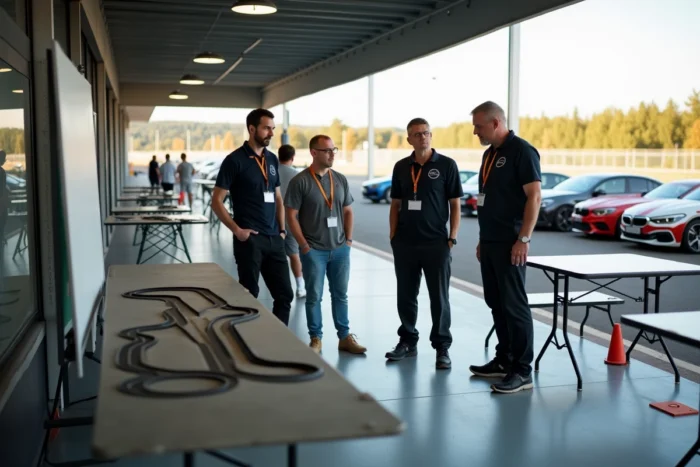
Multi-car packages logically cost more. Their value is measured against the driver’s objective: to discover broadly or to deepen a discipline. A session focused on a single vehicle, with more laps, will be better suited for those seeking technical progression in a specific sports car.
The choice of a driving experience package is based on measurable criteria, not just on the prestige of the displayed vehicle. Actual track time, instructor ratio, and total cost after options form the triptych to verify before any booking. These three data points, rarely aligned on the same page, nevertheless determine the gap between a trivial outing and a memorable circuit experience.