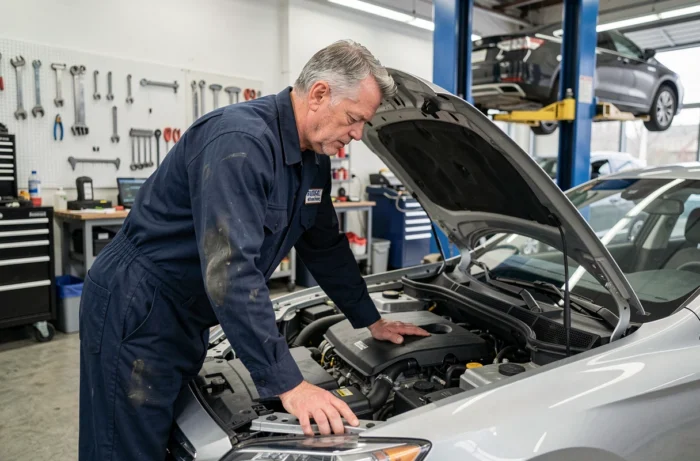
Finding a reliable auto garage for the maintenance or repair of your car requires going beyond a simple search based on geographical proximity. The choice relies on verifiable criteria, often poorly utilized by motorists: clarity of quotes, actual specialization of the workshop, consistency of prices across multiple channels. This article details the concrete points of vigilance that allow you to distinguish a trustworthy garage from an opaque establishment.
Consistency of quotes: the test that few motorists conduct
Even before comparing prices, a simple method allows you to assess the reliability of a mechanic: request an online quote, then a quote by phone for the same service, and finally compare it with the on-site diagnosis. Several specialized sources recommend this cross-checking to identify abnormal discrepancies in price, timing, or proposed parts.
A serious garage will display amounts that are close across these three channels. If the phone quote doubles compared to the online estimate without technical justification, it’s a warning signal. An unexplained discrepancy between the online quote and the on-site diagnosis reveals a lack of rigor.
This method takes time, but it works better than reading a single online review. Requesting at least two or three garages for the same intervention allows for a realistic comparison base, provided that a detailed quote is requested.
To illustrate this approach, a garage like the one presented on https://www.rognacauto.fr/ displays its services in a structured manner, making it easier to compare with other local establishments.

Transparency of the auto garage quote: what each line should mention
The total price of an intervention is not enough to compare two garages. Transparency is measured by the granularity of the quote. A usable document explicitly separates several items.
- The cost of spare parts, with the brand and exact reference (Valeo, LuK, Bosch, original manufacturer part or equivalent)
- The hourly labor rate, distinct from the overall package, to identify whether the price covers one or several hours of work
- Any optional or additional interventions proposed, with their mandatory or optional nature clearly indicated
A quote that mixes parts and labor in a single line prevents any comparison. This ambiguity is not always intentional, but it makes it impossible to verify the fair price.
The brand of the installed parts deserves special attention. Some garages prioritize suppliers that offer a more comfortable margin rather than the part most suitable for the vehicle. Requesting the precise reference before validation allows for a trade-off between quality and budget.
Workshop specialization by type of intervention
General guides often present garages as interchangeable. Field feedback diverges on this point. A workshop performing well in routine maintenance (oil changes, brakes, filters) may not necessarily have the equipment or training for more technical interventions.
Among the specializations that require dedicated equipment:
- Engine reprogramming, which requires a dynamometer and specific software expertise
- Windshield replacement with ADAS (advanced driver assistance systems) recalibration, which requires camera calibration tools
- Maintenance of vintage or collectible vehicles, where knowledge of discontinued part references makes a difference
Entrusting a technical intervention to a generalist workshop increases the risk of incomplete diagnosis. Checking the specializations displayed by the garage, and cross-referencing them with reviews specifically about the type of repair considered, remains the most reliable method.
The trap of the “multi-service” garage without identifiable expertise
An establishment that claims all competencies without highlighting certification or specific training in a particular field should raise caution. Manufacturer labels or partnerships with recognized suppliers are indicators, not absolute guarantees, but they demonstrate an investment in training.
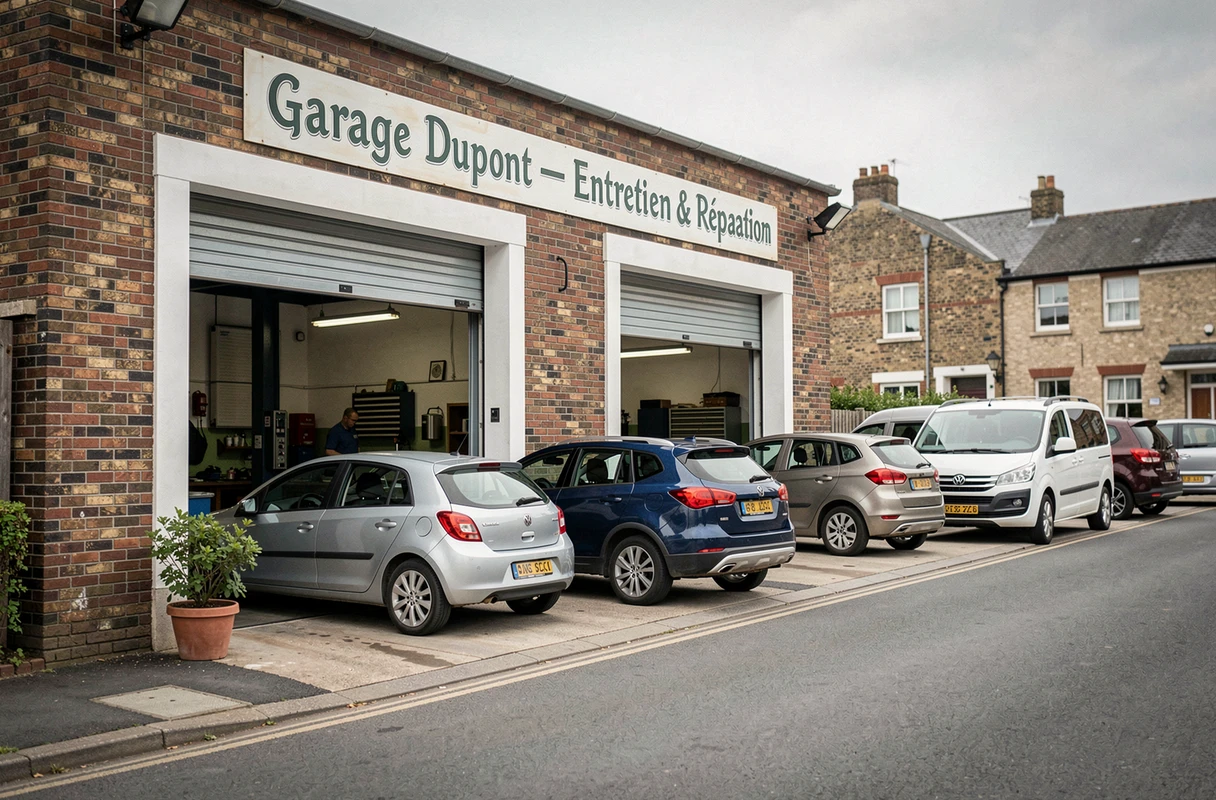
Verified customer reviews: how to read them without making mistakes
Online reviews have become a structuring selection criterion. Specialized platforms now display overall ratings accompanied by volumes of verified reviews. This evolution allows you to distinguish a garage with a handful of feedback from an establishment evaluated by several hundred clients.
The volume of reviews matters as much as the average rating. A garage rated 5/5 on three reviews inspires less confidence than a workshop rated 4.2/5 on two hundred evaluations. The dispersion of ratings also provides information: a majority of 5-star ratings and a few 1-star ratings without a response from the professional signals a problem in managing disputes.
Reading negative reviews first often provides more information than positive ones. Recurring complaints (missed deadlines, billed parts not replaced, lack of communication during the intervention) reveal the structural weaknesses of a garage. Conversely, an isolated negative review about a minor detail should not weigh heavily in the decision.
Garage responses to negative reviews
The way a professional responds to criticism says a lot about their service culture. A factual response that offers a solution or acknowledges a malfunction indicates mature functioning. Total absence of response or an aggressive reply are signals not to be ignored.
Ultimately, the choice of an auto garage rests on a set of concrete indicators: price consistency across multiple quotes, detailed readability of billing lines, alignment between the workshop’s specialization and the planned intervention, and measurable quality of customer feedback. No single criterion is sufficient; it is their combination that secures the decision.