
You leave the operating room, the IV has just been removed, and the first thing that strikes you in the bathroom is the smell. Strong, unusual, sometimes downright unpleasant. After a surgical procedure, this phenomenon affects a large proportion of patients, and most of the time, it can be explained by simple physiological mechanisms. The question remains when you can reassure yourself and when you should alert the medical team.
Concentrated urine after surgery: the underestimated mechanism
Before even thinking about an infection, one should look at hydration. The preoperative fasting, the hours without liquid intake during the procedure, and then the gradual resumption of food create a temporary water deficit. The kidneys then filter a reduced volume, and the urine becomes highly concentrated in urea and nitrogenous waste.
The result is dark urine, sometimes amber, with a strong ammonia smell. Here we find the same mechanism as in classic dehydration, but amplified by the surgical context: metabolic stress, blood loss, sweating under the surgical drapes.
To understand why urine smells bad in this context, one must also consider the medications administered during and after the operation. Prophylactic antibiotics, analgesics, anti-inflammatories: several of these molecules are eliminated through the kidneys and directly alter the smell of urine.
The good news is that this situation corrects itself as soon as hydration becomes sufficient again. Drinking regularly as soon as the medical team allows it remains the first measure to implement.

Urinary catheter and suspicious odor: knowing how to read the signals
Many procedures require the placement of a urinary catheter, sometimes kept in place for several days. This catheter serves as a direct entry point for bacteria, and urinary infections associated with catheters represent a well-documented complication in the hospital setting.
What pertains to the catheter itself
The material of the catheter, prolonged contact with the urethral mucosa, and stagnant urine in the collection bag favor bacterial proliferation. A more pronounced odor is then observed, often described as sulfurous or foul, which gradually appears in the days following placement.
The distinction from simply concentrated urine relies on a few concrete clues:
- Concentrated urine due to dehydration smells strong but remains clear to dark yellow, and the odor decreases significantly when water intake is increased
- A catheter-related infection often produces cloudy urine, sometimes with filaments or visible sediment, and the odor persists despite good hydration
- The presence of pain or burning during urination after the catheter is removed, associated with a persistent odor, leans more towards an infection than a concentration phenomenon
When to request an examination
If the odor does not decrease within two to three days following catheter removal, or if it is accompanied by fever, a cytobacteriological examination of the urine (ECBU) can help clarify the situation. A urinary infection related to the catheter can exist without typical burning, which sometimes delays diagnosis in patients who are waiting for classic symptoms.
Post-operative urine odor and diet: a often overlooked factor
Diet is rarely considered in the days following a procedure, and for good reason: one eats little, often standardized hospital trays. Certain foods reintroduced upon returning home (asparagus, garlic, onion, fish) significantly alter the urinary odor.
Dietary supplements prescribed during recovery also play a role. Vitamin B supplements, frequently recommended, are known to give urine a particular smell. This is not a sign of complication, but it can be concerning when coming out of an operating room and watching for any abnormal signals.
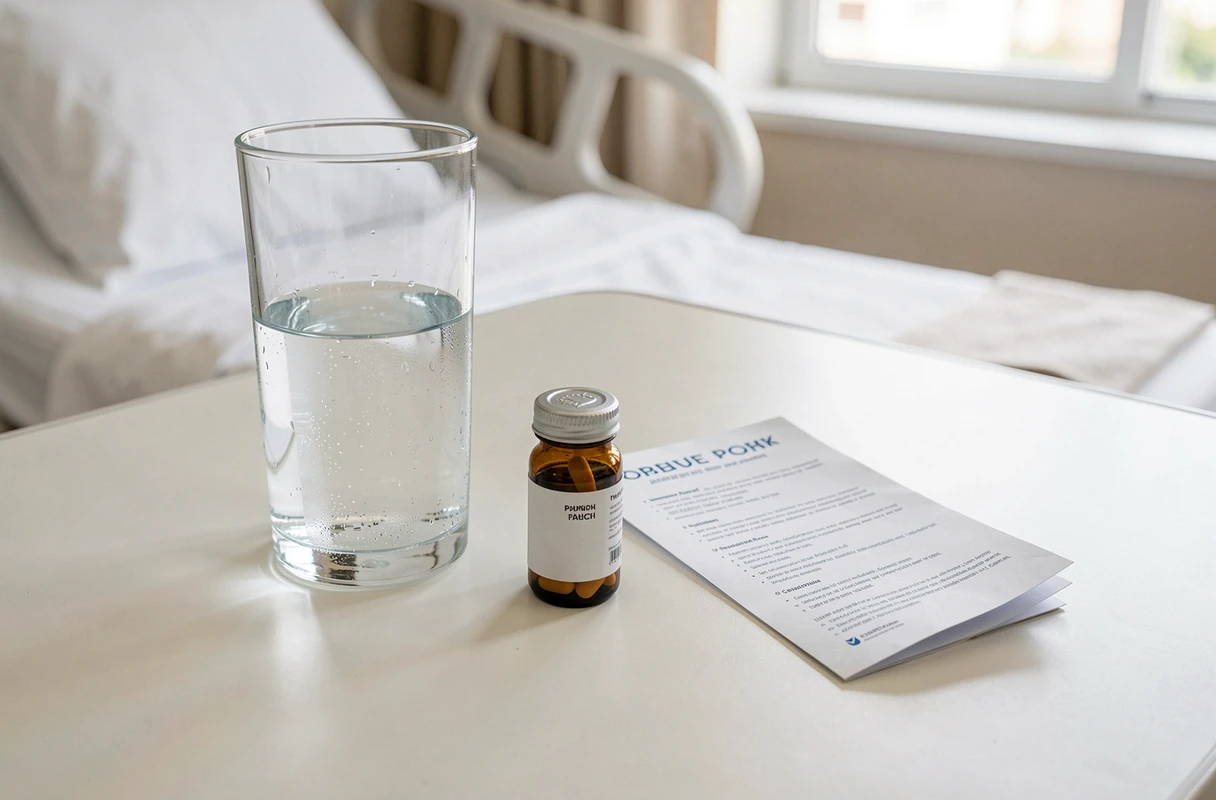
Differentiating a benign odor from a true warning sign after surgery
The practical question that arises daily during recovery is simple: should one call their doctor or wait? You can rely on a few concrete markers to sort things out.
A strong odor that decreases with increased fluid intake points to dehydration. The urine becomes clearer and less odorous within a few hours. No fever, no pain: monitor and hydrate.
A persistent odor despite sufficient fluid intake, especially if accompanied by any of the following signs, justifies quick medical contact:
- Fever, even mild, in the days following the procedure
- Cloudy or pink urine, with or without pain
- Lower back pain or a feeling of heaviness in the lower abdomen
- Burning or difficulty urinating after catheter removal
Reports vary on this point, as some patients describe a strong odor for one to two weeks without any infection being found in the ECBU. The post-operative antibiotic treatment can itself alter the odor by disrupting the natural bacterial flora of the urinary tract.
Concrete solutions to reduce urinary odor during recovery
The first action remains hydration. Resuming regular water intake as soon as medically permitted dilutes metabolic waste and mechanically reduces the odor. The goal is to achieve a sufficient volume to obtain pale yellow urine.
In terms of hygiene, gentle cleaning of the perineal area, without harsh soap, limits local bacterial proliferation. After catheter removal, urinating regularly without holding back helps to flush out residual bacteria.
If antibiotic treatment is ongoing, completing it fully prevents recurrent infections. Stopping an antibiotic because symptoms improve is a common mistake in the post-operative period.
Urinary odor after surgery often causes more concern than it should, but it always deserves careful observation. Urine that becomes clear and less odorous within a few days is reassuring. Any persistent signs associated with fever or pain warrant an ECBU, not a home remedy.